
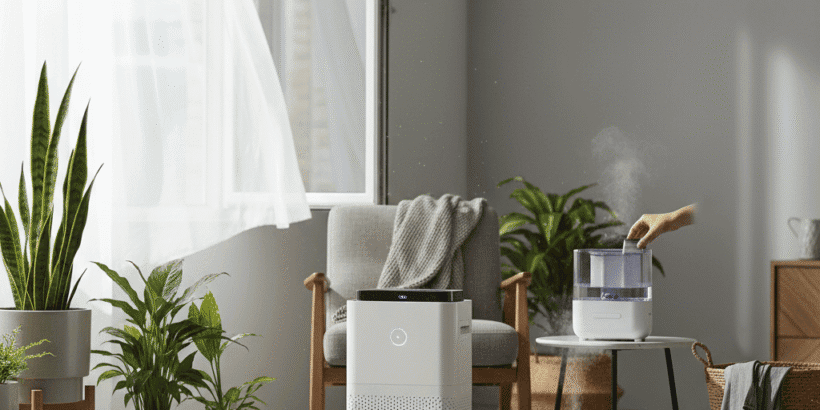
Indoor air quality affects comfort, health, and energy use in every home. Many people assume the air inside is cleaner than outside yet unseen pollutants can build up from everyday activities. This article lays out practical, room by room actions you can take to reduce pollutants, cut down odors, and keep the air you and your family breathe healthier over time.
Approaches range from simple habits to equipment choices and seasonal maintenance. I will explain where common pollutants come from, how to measure progress, and which fixes deliver the biggest returns for the least effort. Read on for clear steps you can use right away and longer term strategies that protect household health.
Common sources of indoor air pollution and how they affect health
Before choosing fixes it helps to know what creates poor indoor air in the first place. Some common contributors include combustion byproducts from stoves and heaters, volatile organic compounds from paints and cleaners, dust and pet dander, mold and excess moisture, and outdoor pollutants that enter through open windows or leaks. The EPA notes that concentrations of certain pollutants can be higher indoors than outdoors, especially in tightly sealed homes.
Health effects range from irritated eyes and sore throat to headaches and allergic symptoms. People with asthma, small children, older adults, and those with chronic respiratory conditions face higher risk. Identifying likely sources in your home makes practical fixes easier to prioritize.
Daily habits that will quickly improve indoor air quality
Small changes in routines yield steady results. Start with these habits that cost little yet reduce pollutant load right away.
- Ventilate when cooking by using a range hood that vents outdoors or opening a window. Frying and high heat cooking produce fine particles and gases that linger.
- Use low emission products for cleaning, painting, and finishing. Look for products labeled for low VOC or low odor and air out rooms after use.
- Stop smoking indoors if it happens in your home. Cigarette smoke spreads toxins and particles that settle into fabrics and carpets.
- Keep clutter down in living areas where dust can accumulate on stored items. Regular dusting with a damp cloth captures dust rather than sending it into the air.
- Wash bedding weekly to reduce dust mite allergens and pet hair. Use hot water when fabric care labels allow.
HVAC filters and maintenance that make a real difference
Heating and cooling systems move air through your home so filter choice and maintenance matter a lot. A properly maintained system limits dust, pollen, and airborne particles while helping equipment run well.
How to choose the right filter
Filter ratings describe particle capture efficiency. Higher rated filters trap smaller particles but may restrict airflow on older systems. Check your system manufacturer recommendations and pick a filter that balances filtration with airflow. A common, effective choice is a high quality pleated filter with a rating sufficient to catch pollen, dust, and pet dander without stressing the fan motor.
Maintenance schedule that prevents problems
Replace disposable HVAC filters at least every three months and more often if you have pets or allergy sufferers in the home. Clean permanent filters according to the manufacturer. Schedule professional HVAC tune ups once a year to check for leaks, clean coils, and confirm that ventilation pathways are free of obstructions.
Ventilation solutions that reduce indoor concentrations of pollutants
Bringing fresh outdoor air indoors dilutes contaminants and lowers concentrations of VOCs and carbon dioxide. That does not mean windows must remain open all day. Use targeted ventilation strategies to balance comfort and efficiency.
- Kitchen hoods that vent outdoors remove cooking pollutants. Choose a hood with sufficient airflow for your cooktop size and use it during and after cooking.
- Bathroom exhaust fans remove moisture that leads to mold. Run the fan during showers and for 10 to 20 minutes afterward.
- Whole house mechanical ventilation systems provide controlled fresh air and can include heat recovery to lower energy loss. These systems are most useful in tightly sealed homes.
- Smart use of windows helps when outdoor air quality is good. Cross ventilation by opening windows on opposite sides of a room clears air quickly on pleasant days.
Controlling humidity and mold to protect air quality and surfaces
Humidity influences how comfortable a space feels and whether mold will grow. Mold spores are everywhere but they need moisture to colonize surfaces. Keeping interior relative humidity between about 30 and 50 percent reduces mold growth and limits dust mite populations.
- Use exhaust fans and dehumidifiers in damp locations like basements and bathrooms.
- Fix leaks promptly in roofs, walls, and plumbing to remove persistent moisture sources.
- Dry wet materials within 24 to 48 hours after spills or flooding to avoid mold colonization.
If you see visible mold, clean small areas with appropriate cleaners and protective gloves and mask. For larger infestations hire a qualified remediation professional to reduce exposure risks.
Choosing and using air purifiers and cleaners the right way
Portable air purifiers can reduce airborne particles in individual rooms. They work best when sized for room volume and placed where people spend time.
HEPA and activated carbon filters explained
HEPA filters capture fine particulate matter like pollen, smoke, and many allergen particles. For gases and odors select units that include activated carbon media. Some units combine both media types and deliver a useful mix for common household contaminants.
Placement and operation tips
Place purifiers away from walls and furniture so air can circulate. Run them on a medium to high setting during peak pollutant events such as cooking or when allergens are high. Keep windows closed when outdoor pollution is elevated to allow purifiers to work effectively indoors.
How to measure progress and know when a problem needs professional help
Tracking key indicators gives feedback on whether measures are working. Start with simple tools and progress to professional testing if needed.
- Use a carbon monoxide detector near sleeping areas and replace batteries annually. CO is a dangerous gas from incomplete combustion.
- Check humidity with a hygrometer and compare levels in different rooms. Persistent high humidity points to leaks or poor ventilation.
- Consider an indoor air quality meter that reports particle counts and VOC levels for a clearer view of trends. These affordable devices show how events like cooking or cleaning change air chemistry.
- Call a professional for detailed testing if you suspect formaldehyde, radon, or invisible mold problems that simple measures do not fix. A certified tester can identify sources and recommend removal steps.
For households that need on site inspection or targeted repairs professionals offer testing and repair services. Local HVAC companies often assess ventilation and filtration performance and can answer questions about long term system options. If you want a local service that addresses indoor air problems consider contacting a qualified provider to evaluate system performance and suggest strategies that fit your house and lifestyle. One resource that many homeowners use is improve indoor air quality through targeted inspections and solutions.
Practical room by room checklist you can use today
Follow this simple checklist to tackle the most common problem spots. The steps are short and actionable for busy households.
- Kitchen use a venting range hood when cooking and clean grease traps regularly
- Bathroom run the exhaust fan during showers and keep grout sealed to limit mold
- Bedroom wash bedding weekly and consider a portable air purifier if allergies are present
- Living room vacuum with a HEPA equipped vacuum and groom pets outside when possible
- Basement use a dehumidifier and store items off concrete floors on shelving
Improving indoor air quality is a mix of daily habits, correct equipment choices, and occasional professional support. Start with the low cost steps and measure results. If a problem persists seek testing so you address the source rather than masking symptoms.
Conclusion
Cleaner indoor air is within reach for most households. By identifying sources, improving ventilation, maintaining HVAC systems, controlling humidity, and choosing the right filtration tools you reduce exposures that can impact health and comfort. Small routine actions produce steady gains and smart investments such as a high quality purifier or a professional ventilation upgrade deliver measurable benefits in rooms where people spend the most time. Track progress with simple meters and detectors and call in a licensed professional when tests point to hard to remove gases or extensive mold. Start with one or two changes this week and add more steps over time. Taking action now protects health and keeps your home a more pleasant place to live. If you want hands on help pick one visible problem area and schedule an inspection or service to fix it. A focused approach gets faster results and makes ongoing maintenance manageable.